Offense vs. Defense: Beat Bots Before They Beat Your Business
Background
Offense vs Defense. Financially motivated adversaries are relentlessly testing new tools and techniques to evade your enterprise defenses.
Whether their ultimate goal is taking over your accounts, scraping prices, or launching a DoS attack, bad actors are continually evolving their tactics to mimic real human behavior and avoid detection while automating their operations at scale.
Why, then, do organizations still rely on traditional methods to defend against these sophisticated bad bots?
Until now, the answer has been that it’s always been this way - leaving engineers, developers, and security professionals with solutions that fail to keep up.
It certainly has not been a level playing field, as the adversary has always had the unfair advantage of understanding the defenses in place and finding a creative way to get around them.
Many bot mitigation providers claim to stop account fraud, denial of inventory, and web scraping, but very few do it well enough to disrupt serious fraudsters that adapt in seconds and retool until they find success.
That’s because the ability of a bot mitigation solution to sustain its defense, under-motivated resistance, is the real differentiating aspect in this market.
At the end of the day, motivated fraudsters will continue to persist in their attempts to evade detection. When assessing bot mitigation solutions, we need to understand the sophistication of automated malware and fraud ecosystems on the market today and explore how sustainable each defensive model is.
To help uncover the differences between the various solutions in the market, you’ll want to ask the following questions:
- What is the client-side inspection process? How does it function? Is it static or dynamic? How does it respond to retooling?
- What are the defensive obfuscation methods used at each layer?
- What is the data collection and processing strategy? How it is leveraged?
- What happens when you identify a bot? What are your bot mitigation options?
- How would a fraudster be able to get around the solution? (P.S. If you don’t know how to do this, find someone that does.)
These five key questions will help you determine the right bot mitigation solution for your organization and security needs.
Beat Cybercriminals at their Own Game
Offense vs Defense. Let’s take a moment to describe a bot attack in the context of a highly adversarial game. As with all games, there are rules.
- This is a battle of intelligence, strategy, and endurance.
- It’s also a game of evasion vs. detection.
- The winner is one who can stay in the game the longest.
- The defender’s toolkit includes sensor detection and data analysis.
- The defender is only limited by its agility, ability, and creativity.
- The defender’s actions cannot adversely impact any innocent bystanders.
- The attacker can use any toolkit they like; however, they must operate in the same context as the innocent bystander.
- The attacker must allow access to and respond to all the defender’s challenges.
- The attackers can and will do anything to blend into the crowd.
How Fraudsters Approach Attacks
Let’s now look at the opponents. In one corner is the fraudster.
A fraudster’s strategy is centered around automating for efficiency, impersonation, invisibility, and tactical evasion. Automated attack tactics include:
- Hiding in plain sight: automatically adapting, randomizing, distributing, and rotating the attack process.
- Offensive actions: reverse engineering and evading the end-to-end defensive model — a classic example of the OODA loop.
- Spreading the attack: simultaneously attacking multiple organizations.
How Defenders Stop Attacks
In the other corner is the defender. An organization’s defense strategy is centered around being difficult and expensive to attack. To defend against bot attacks, an organization should:
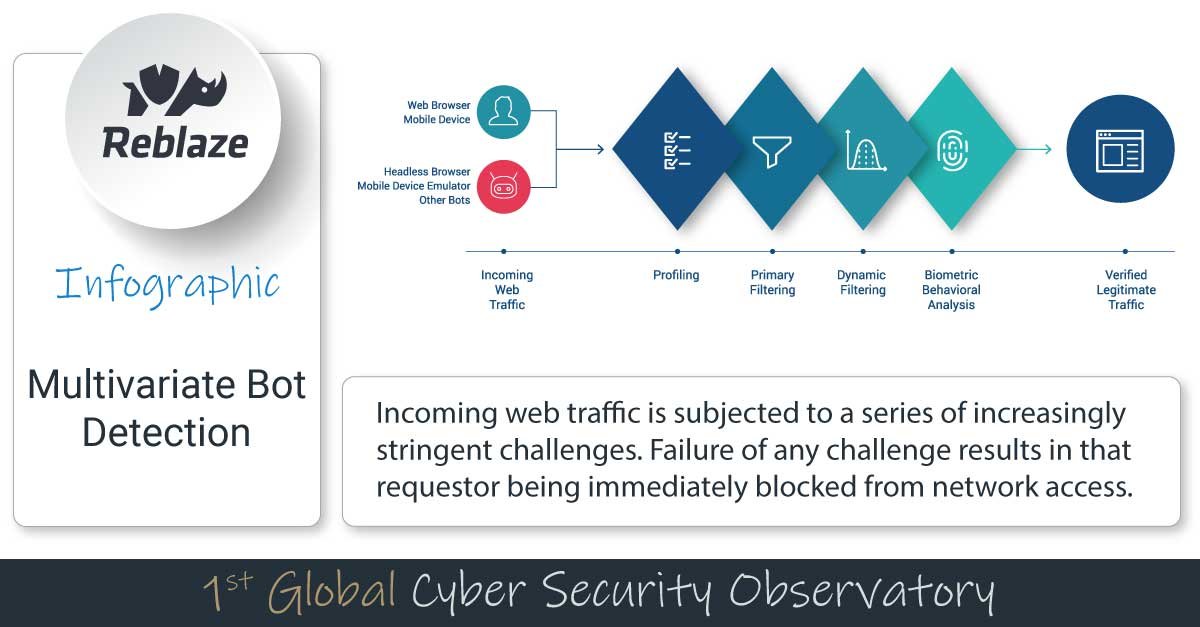
- Expose automation toolsets via intelligent sensor collection.
- Resist adversarial reverse engineering efforts.
- Develop sophisticated data processing techniques.
- Remove the feedback loops provided to the attacker.


Offense vs Defense. These concepts may seem simple, but they are actually quite difficult to achieve all at once across web, mobile, and API channels.
Kasada has been working on this challenge for years now, and our advanced zero tolerance architecture is truly what differentiates us from the rest of the marketplace.
Only Kasada takes this unique adaptive approach to detecting and disrupting bot operators.
Ready to see Kasada in action? Request a demo today.
Follow Us
Offense vs. Defense: Beat Bots Before They Beat Your Business