Using Continuous Security Validation to Prepare for Zero-Day Attacks
Author: Jason Wild, Cyber Security Tech. at rThreat
 Using Continuous Security Validation to Prepare for Zero-Day Attacks - 2021 has proven to be another landmark year in the ever-changing world of cyber defense, and unfortunately in large part for the wrong reasons.
We’ve all seen the compromise of diverse targets, ranging from tech giants like Microsoft Exchange, to critical infrastructure such as the Colonial Pipeline, to the recent attacks on New Cooperative and Crystal Valley in the agricultural industry.
We have seen threat actors’ use of zero-day attacks increase by double when compared to last year. Keeping up with the risks inherent in this threat landscape is no longer an option for any organization.
Addressing a growing threat landscape
What has become increasingly clear is that, while complex systems with sophisticated cyber defenses have caused successful attacks to become more difficult to pull off, a successful DDoS or ransomware attack is more valuable than ever.
It is now estimated that one third of zero-day attacks come from financially motivated actors, such as Blackmatter or Lockfile groups. Large-scale orchestrated APTs (Advanced Persistent Threats) have traditionally originated from well-funded and typically nation-state-backed criminal groups. These costly attacks require more resources and often are the result of linking multiple exploits together into an exploit chain to evade and escalate into a network. With the growth of a robust black market, powerful entities are now able to sell zero days and access to their sophisticated hacking tools to smaller, less talented and less well-funded groups.
The threat surface is growing just as quickly. With the mass migration of business infrastructure to cloud-based solutions, a single breach can now open millions of systems - or, in some cases, an entire supply chain - to attack. We have seen how vulnerable third-party supply chain attacks have made even the largest enterprises that are increasingly reliant on outsourcing business-critical operations. Additionally, as more and more of the workforce shifts to a work-from-home model, it has become imperative that organizations of all sizes validate their endpoint security across a much wider scope than ever before.
Not limited to enterprise and critical infrastructure, attacks against small and medium sized businesses are on the rise as well. Nearly half of modern cyber attacks target small businesses. At the same time, about 70% of small businesses say they are unprepared to handle a cyber attack. To ignore this reality comes at a great risk, as 60% of small businesses are unable to recover from a cyber attack.
The importance of defense-in-depth
On the bright side, the defenses truly are getting better. Many industry experts argue that a large driver of the increase in discovered zero-days and other breaches has been a result of the dramatic proliferation of powerful tools that blue teams can use to discover and defend against the threats uncovered. Automation and machine learning have contributed to the ability of teams from large MSSPs all the way to small business network administrators to keep an eye on their network traffic.
 Increased spending on security research has not only allowed for highly-skilled top level teams, such as the Threat Analysis Group (TAG) at Google, to investigate and track the world’s cybercrime gangs, but for software development organizations to create more lucrative bug bounty programs that attract the industry’s top talent to assist in identifying vulnerabilities.
More and more, organizations across all industries are realizing that a robust security posture is the only way to protect their infrastructure from modern threats, including zero-day attacks. To mitigate the growing risk of these unknown vulnerabilities, it’s crucial that organizations are able to provide their systems and clients with a layered defense-in-depth model. Beyond traditional methods of testing, continuous security validation-as-a-service is the perfect tool in any security team’s toolkit to assess their defenses against the event of a zero-day attack.
rThreat’s breach and attack emulation platform contains a library of newly released malware and custom zero-day artifacts that can be used to test your environment’s defenses and response to those malware variants before you are attacked. This combination of availability and adaptability allows an organization of any size to ensure that they are secure, available, and in compliance with industry regulations. Rather than relying solely on quarterly point-in-time assessments and yearly penetration tests, rThreat can provide a continuous and automated look into how well your cyber defenses are working on a day-to-day basis.
Continuous threats require continuous security validation
While there are more tools available than ever, the reality is that organizations are forced to navigate this growing threat landscape with a limited cybersecurity budget and limited staff. One key benefit that rThreat can provide is the ability to continuously test and validate the various integrated security systems, from antivirus, to firewalls, to the security teams themselves. To ensure that you’re protected in the event of a modern cyber attack, it has never been more critical that teams are able to test their cyber defenses on a continuous basis using real malware so you can get real results. Optimized for SaaS delivery, rThreat is ready to get to work immediately.
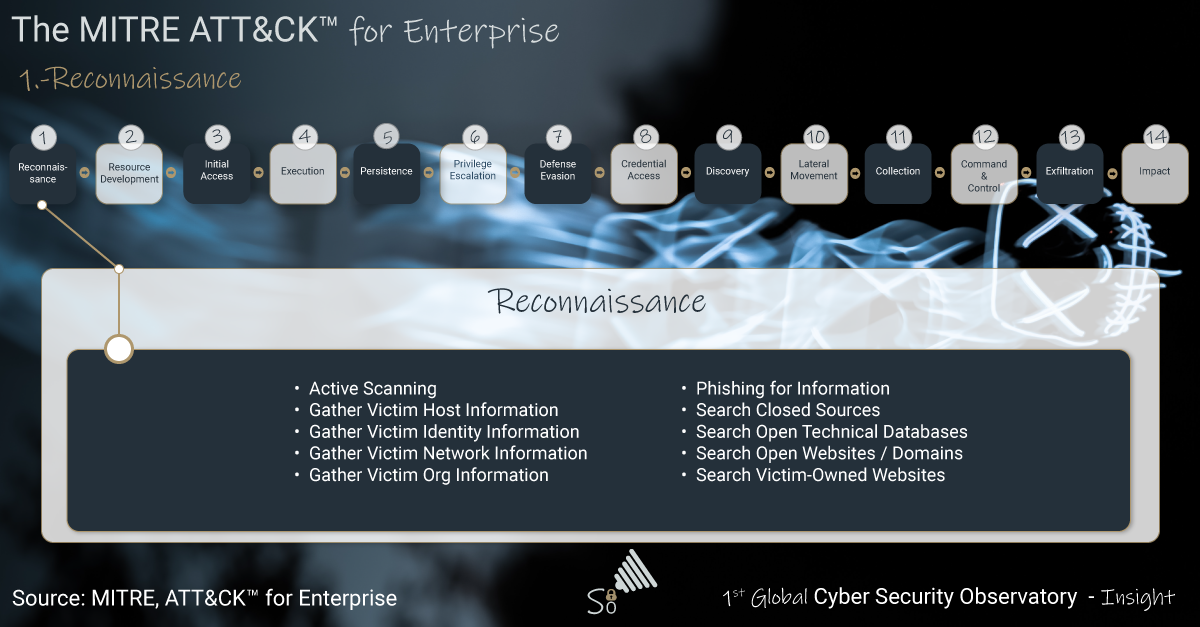
With our sophisticated breach and attack emulation platform, rThreat is able to provide a “live fire” zone to continuously test and validate your defenses against known and unknown zero-day attacks. By studying the behaviors of different cyber threat actors and incorporating built-in threat intelligence, we have created a library of custom and real malware samples that is kept up to date with current attack trends and evasion methodologies. Mapped to the MITRE ATT&CK framework, rThreat offers real emulations of real cyber attacks completely within a secured virtual environment - not just once or twice a quarter, as in the case of a traditional penetration test, but on-demand.


The rThreat platform provides quantitative data and granular control to your cybersecurity team. These insights not only validate the effectiveness of security tools and processes but can be used to run drills with your team so that they are well-equipped with the skills and information they need to rapidly detect and respond to a wide variety of modern attack patterns. rThreat can also validate more advanced SOC tools, such as SIEM, SOAR, and EDR, and is capable of providing vital, on-demand third party supply chain security testing. This allows your team to focus their valuable time on developing a proactive approach to defending against the threats of today and, most importantly, whatever threats tomorrow may bring.
If you would like to try a demo of rThreat’s solution, contact our team here.
Follow Us
Using Continuous Security Validation to Prepare for Zero-Day Attacks